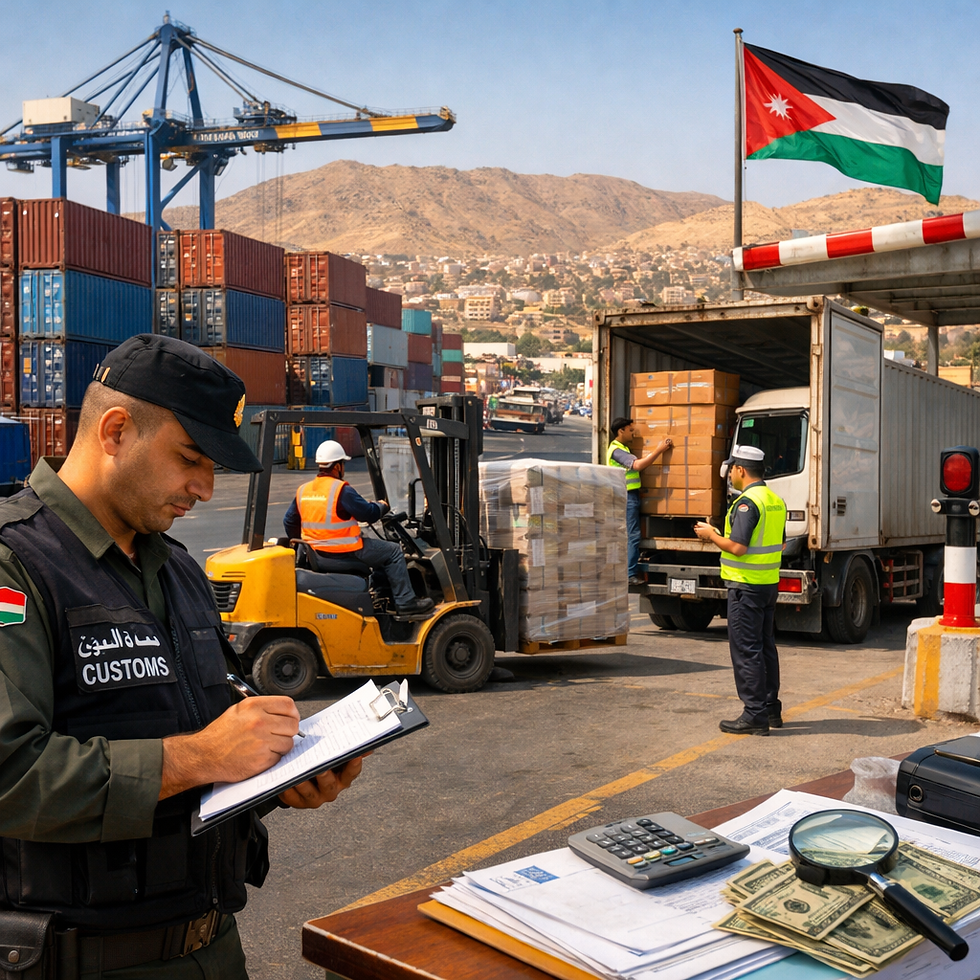
UAE Import Permits: A 2026 Compliance Guide

The United Arab Emirates continues to be a magnet for global trade, its strategic location and dynamic economy drawing businesses from every corner of the world. But for all its allure, successfully importing goods into the UAE requires a meticulous understanding of its customs regulations and, crucially, its import permit system. As 2026 unfolds, the framework remains robust, designed to ensure security, public health, and adherence to cultural norms. This isn't just about paperwork; it's about navigating a sophisticated system that protects the nation's interests while facilitating legitimate commerce.

For any bid manager, export manager, or procurement officer looking to engage with the UAE market, grasping the nuances of UAE import permits and UAE customs clearance is paramount. Overlooking a single detail can lead to costly delays, penalties, or even rejection of shipments. The good news is that the UAE’s customs authorities provide clear guidance, regularly updated, to help businesses comply. Let's delve into what it takes to get your goods across the border smoothly.
Understanding Restricted Goods and the Permit Requirement
One of the most critical distinctions in UAE customs is between general goods and what are termed 'restricted goods.' Dubai Customs clearly defines restricted goods as items whose import or export is controlled under the Common Customs Law or other applicable UAE laws. These goods can only be released after obtaining specific approval from the relevant competent authority. This isn't a minor detail; it's the foundation of the permit system.
The UAE’s official guidance lists several categories that fall under this restricted umbrella. We're talking about everything from live animals and plants, which require oversight from the Ministry of Climate Change and Environment, to weapons and explosives, naturally falling under the purview of the Ministry of Defence, Armed Forces, or Ministry of Interior. Medicines and medical devices are meticulously controlled by the Ministry of Health and Prevention, while media publications, sensitive due to cultural considerations, need approval from the Ministry of Culture and Youth. Even seemingly innocuous items like wireless devices require a permit from the Telecommunications and Digital Government Regulatory Authority. And, as one might expect, alcoholic drinks are subject to strict controls by the Ministry of Interior or Dubai Police. The sheer breadth of these categories means that a significant number of imports could potentially require an additional permit.
It's also worth noting that import permits aren't solely for restricted items. The official U.S. government import guide for the UAE, which aligns perfectly with local regulations, states that an import permit is also required for duty-exempted goods. This often catches businesses by surprise, highlighting the need for thorough preparation. Whether your goods are restricted or qualify for duty exemption, an additional layer of approval is often necessary beyond the standard customs documentation.
Standard Documentation: Beyond the Permit
Before even considering a specific permit for restricted or duty-exempt goods, every importer into the UAE must have a solid foundation of standard documentation. The UAE customs guidance is clear: a valid trade license from the emirate’s Department of Economic Development is non-negotiable. This license proves your legitimacy as a business operating within the UAE and is the first hurdle in any customs process.
Beyond the trade license, the standard suite of import documents includes a commercial invoice, detailing the goods and their value, and a certificate of origin, which verifies where the goods were manufactured. A comprehensive packing list is essential for customs officers to verify the contents of a shipment against the declaration. Finally, a bill of entry or airway bill, depending on the mode of transport, completes the core set. These documents are universal requirements, forming the backbone of any import declaration. Without them, even the simplest shipment will face significant roadblocks.
Dubai Customs also specifies that customs declarations must be submitted using a unique business code. This code streamlines the process, ensuring that your declarations are correctly linked to your registered business. It’s a small but critical detail that can prevent administrative headaches down the line. Always double-check that your business code is active and correctly associated with your trade license.
Navigating the Permit Application Process
So, you've identified that your goods fall into a restricted category or are duty-exempt, meaning an import permit is required. What's next? The process involves identifying the correct competent authority and submitting an application tailored to their specific requirements. This isn't a one-size-fits-all scenario; each authority has its own forms, supporting documents, and processing times.
For live animals, plants, fertilizers, and pesticides, for instance, you'll be dealing with the Ministry of Climate Change and Environment. This could involve providing health certificates for animals, phytosanitary certificates for plants, or detailed chemical analyses for fertilizers and pesticides. Medicines and medical devices, overseen by the Ministry of Health and Prevention, will require product registrations, manufacturing licenses, and often detailed clinical data. Media publications, under the Ministry of Culture and Youth, might need content reviews to ensure compliance with cultural sensitivities. The underlying principle is always the same: demonstrate that your import meets all safety, regulatory, and ethical standards set by the specific governing body.
It's crucial to initiate the permit application well in advance of your shipment's arrival. These processes can take time, and a delay in obtaining a permit means your goods could be held at the port, incurring demurrage charges and disrupting your supply chain. Proactive engagement with the relevant ministry or authority is key to a smooth process. Don't wait until the last minute; begin your permit application as soon as your import plan solidifies.
Key Authorities and Their Purviews
To assist businesses in identifying the correct authority for their specific imports, here’s a breakdown of the key agencies and the types of goods they regulate:
Ministry of Climate Change and Environment: This ministry is responsible for live animals, plants, fertilizers, and pesticides. Their focus is on environmental protection, biosecurity, and agricultural health.
Ministry of Defence / Armed Forces / Ministry of Interior: These entities regulate weapons, explosives, and other items with security implications. Imports in this category are subject to stringent security checks and national defense considerations.
Ministry of Health and Prevention: Medicines, pharmaceuticals, and medical devices fall under their strict control, ensuring public health and safety. This often involves rigorous testing and approval processes.
Ministry of Culture and Youth: Media publications, including books, films, and digital content, require their approval to ensure cultural alignment and adherence to local values.
Federal Authority for Nuclear Regulation: Nuclear-energy products, given their sensitive nature, are regulated by this specialized authority, demanding high-level security and safety protocols.
Telecommunications and Digital Government Regulatory Authority (TDRA): Transmission and wireless devices, from mobile phones to complex communication systems, require their clearance to ensure frequency allocation and compliance with telecommunications standards.
Ministry of Interior / Dubai Police: Alcoholic drinks, due to specific licensing and consumption laws, are regulated by these bodies, particularly concerning quantities and distribution.
Each of these authorities maintains its own set of guidelines and application procedures. It is always advisable to consult their official websites or contact them directly for the most up-to-date information pertaining to your specific product category. This direct consultation can save immense time and effort in the long run.
Prohibited Items: A Non-Negotiable List
While restricted goods can be imported with the correct permit, there’s another category that’s absolutely non-negotiable: banned items. The UAE has a clear and strict list of goods that are prohibited under any circumstances. These items are confiscated and will not be released, regardless of permits or documentation.
The official UAE customs-clearance guidance explicitly lists items such as controlled and recreational drugs, narcotics, pirated content, and counterfeit currency. Beyond these, items used in black magic, witchcraft, or sorcery are strictly forbidden, reflecting deeply held cultural and religious beliefs. Publications or artwork that contradict Islamic teachings and values are also on this prohibited list. This category is not subject to permits or special approvals; these goods simply cannot enter the country. Any attempt to import them will result in severe penalties.
Understanding this distinction between restricted (permit required) and prohibited (absolutely no entry) is crucial. A mistake here can have far more serious consequences than simply a delayed shipment. Always ensure your goods are not on the prohibited list before planning any import into the UAE.
Leveraging Digital Resources and Staying Current
The UAE customs authorities have made significant strides in providing accessible information online. For anyone involved in international trade, regularly checking these official sources is not just good practice; it’s essential. For instance, the official UAE customs-clearance page at u.ae was last updated on October 2, 2026, indicating a commitment to keeping information current. Similarly, Dubai Customs’ official restricted-goods page, found at dubaicustoms.gov.ae/en/mobile/Pages/ProhibitedandRestrictedGoods.aspx , carries a September 23, 2026, date stamp, and Abu Dhabi Customs’ page at adcustoms.gov.ae/Policies-and-Regulations/Restricted-Banned-Commodities was also updated on October 2, 2026. These dates confirm that the information is fresh and reflects the very latest regulations.
Dubai Customs also publishes a detailed PDF guide titled “Your Guide for procedures on prohibited and restricted items” on its website, which is an invaluable resource. This document breaks down the specifics in an easy-to-understand format. It’s the kind of resource that should be bookmarked and regularly consulted by anyone managing imports into Dubai.
Additionally, platforms like TendersGo.com can be incredibly useful. With its AI summaries, PDF viewing, and coverage of 220+ countries in 145 languages, TendersGo offers powerful tools for staying informed about global procurement and regulatory changes. Its unlimited alerts and saved searches can help you track updates not just for tenders, but also for critical compliance information related to specific industries or regions like the UAE. While TendersGo is primarily for tenders, the intelligence gathered about market activities can often hint at regulatory shifts or upcoming requirements, making it a valuable adjunct to direct customs portals.
Practical Advice for Importers and Exporters
Given the intricacies of the UAE’s import permit system, a few pieces of practical advice stand out:
Early Due Diligence: Before you even consider shipping, classify your goods accurately. Is it a general item, restricted, or prohibited? This initial step dictates your entire compliance pathway.
Identify Competent Authorities: Once classified as restricted, immediately pinpoint the specific ministry or authority responsible for that category. Direct engagement with them is crucial.
Gather All Documentation: Ensure your trade license is active, and you have all standard documents (commercial invoice, certificate of origin, packing list, bill of entry/airway bill) prepared. For restricted goods, start the permit application process well in advance.
Understand Local Nuances: While regulations are federal, individual emirates like Dubai and Abu Dhabi may have specific operational procedures or additional local requirements. Always check both federal and emirate-level guidance.
Stay Updated: Customs regulations can change. Regularly check official government websites for the latest updates. Subscribing to trade newsletters or using platforms that monitor regulatory changes can also be beneficial.
Leverage Technology: Tools like TendersGo.com, the world's largest tender search engine, can offer insights not just into procurement opportunities but also into the broader regulatory environment. Its CPV/NAICS codes and B2B marketplace functionalities can help you connect with compliant partners and stay ahead of the curve. Consider their free 30-day trial to explore these features.
The UAE continues to evolve as a global trade hub, and its commitment to a clear, albeit rigorous, import compliance framework is a testament to its structured approach to international commerce. For businesses looking to tap into this vibrant market, understanding and diligently adhering to the UAE import permits and customs clearance procedures isn't just about avoiding penalties; it's about building a reputation for reliability and ensuring seamless trade operations. The path to successful imports lies in meticulous preparation and a proactive approach to regulatory compliance.