
How to Bid on UAE Government Tenders in 2026

The United Arab Emirates continues to be a dynamic hub for business and innovation, and its government procurement landscape in 2026 offers significant opportunities for both local and international suppliers. Bidding on UAE government tenders can seem complex, but with the right approach and understanding of the local procurement culture, companies can successfully navigate the process. Having spent years observing these markets, I can tell you that diligence and adherence to specific procedures are paramount.
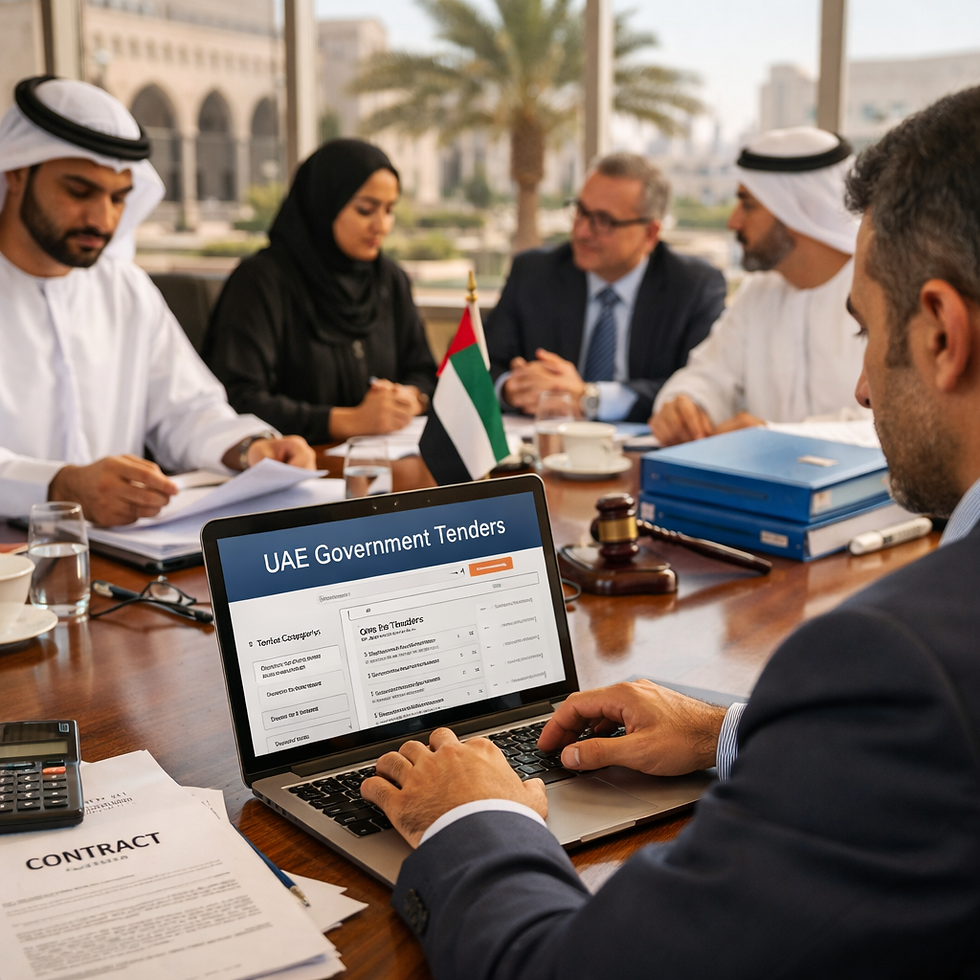
The UAE's commitment to digital transformation means that most, if not all, government entities now rely on sophisticated eProcurement systems. This shift streamlines the bidding process but also requires bidders to be digitally proficient and prepared. Whether you're a seasoned bid manager or new to the region, grasping the intricacies of UAE government tenders is essential for securing contracts.
Understanding the UAE's Procurement Ecosystem in 2026
The UAE operates a multi-layered procurement system, with federal entities, individual emirates, and even specific government-owned corporations managing their own tendering processes. This means there isn't a single "front door" for all government contracts. Instead, a bidder must register on the relevant eProcurement system for each government entity they wish to supply. This decentralized approach, while requiring multiple registrations, also offers a broader range of opportunities across various sectors.
For federal opportunities, the UAE Ministry of Finance’s Current Business Opportunities page serves as a central point for live federal tenders. Here, you'll find essential details like the RFQ number, the entity issuing the tender, the title of the project, and crucially, the open and close dates. For instance, recent listings include RFQ 11564 from the Ministry of Health and Community Protection for "مشروع توفير خدمات المواصلات والسائقين" (Transportation and Driver Services Project), which opened on March 7, 2026, and closed on March 8, 2026. Another, RFQ 11474, from the Ministry of Education, concerns a "National Digital Infrastructure Modernization Program," with an open date of June 25, 2026, and a closing date of August 3, 2026. These examples highlight both the diversity of opportunities and the sometimes tight turnaround times.
Beyond the federal level, individual emirates have their own established portals. Abu Dhabi, for instance, directs interested companies to register on the Abu Dhabi Government Procurement Gate . Similarly, some Dubai government entities utilize platforms like Tejari or Jaggaer. Then there are the entity-specific portals for major players such as ADNOC and Mubadala. My advice? Always check the specific entity's website first; they typically link directly to their procurement platform. It’s a common mistake to assume one registration covers all, but the UAE system demands precision in this regard.
Supplier Registration: Your Gateway to Opportunities
Before you can even think about submitting a bid, you must register as an approved vendor with the specific government entity. This isn't a mere formality; it's a mandatory step that ensures your company meets the basic legal and financial requirements to operate within the UAE and contract with government bodies. The official federal guidance is very clear: all bidders must register on the respective eProcurement system. This registration allows vendors to view upcoming and ongoing tenders and, ultimately, to bid.
The documents required for supplier registration are fairly standard across the board, though some entities might have additional specific demands. Expect to provide a valid UAE trade licence, ensuring it covers the specific activity codes relevant to the tenders you intend to pursue. A certificate of incorporation or commercial registration is also essential. Financial transparency is key, so audited financial statements for the last two to three years are typically requested. You'll also need your VAT registration certificate. Beyond these foundational documents, evidence of relevant experience, insurance certificates, and HSE (Health, Safety, and Environment) certifications, where applicable, are common requirements. For those eyeing Abu Dhabi government procurement, an ICV (In-Country Value) certificate is increasingly important, reflecting the government's drive to localize supply chains and boost the national economy.
The process usually involves creating an account on the relevant eProcurement portal, filling out detailed company information, and uploading scanned copies of all required documents. It’s a thorough process, and any missing or expired documents can lead to delays or rejection. I've seen companies miss out on lucrative tenders simply because their trade license expired a week before registration or their financial statements weren't properly audited. Plan this well in advance; it’s not something you can rush.
Navigating Tender Notices and Bid Documentation
Once registered, the next step is to actively monitor tender notices. While some tender aggregation sites list United Arab Emirates Tenders 2026 , the most reliable sources are the government entities' direct portals. Federal tenders typically require a minimum 30-day notice period, providing ample time for preparation. However, urgent tenders can sometimes have as little as 14 days, so constant vigilance is crucial.
When you find a tender of interest, carefully review the evaluation criteria. This is where many bids falter; failing to match the required format exactly or overlooking a specific criterion can be fatal, regardless of the quality of your offering. For example, the Statistics Centre – Abu Dhabi (SCAD) explicitly states that specialized firms licensed in the UAE can obtain tender documents from their Procurement and Contracts Section, often against payment of tender fees. These documents will contain all the instructions you need.
A critical component of many tender submissions in the UAE is the bid bond. For instance, SCAD requires a bid bond equal to 5% of the bid value for any bid above AED 1,000,000. This bond can be submitted as a certified (manager) cheque or a bank guarantee valid for 120 days, renewable for one month. This financial commitment demonstrates your serious intent and capability to undertake the project. Always factor this into your financial planning.
Crafting Your Submission: The Technical and Financial Offers
The submission format is often highly specific and must be adhered to without deviation. Using SCAD as an example again, bids must be submitted in three wax-sealed envelopes, each clearly marked with the tender number, subject, and vendor name. The contents of these envelopes are strictly defined: one for the Financial Offer, one for the Technical Offer, and a third for the Bid Bond (if applicable). This separation ensures fairness and prevents financial details from influencing the technical evaluation.
The Technical Offer
Your Technical Offer is where you demonstrate your understanding of the project requirements and your capability to deliver. This section should detail your proposed methodology, project plan, team structure, relevant experience, and how you will meet all specifications outlined in the tender documents. It's not just about what you offer, but how you will deliver it. This is where your evidence of relevant experience, HSE certifications, and any other quality assurances come into play. Remember, this envelope should contain no pricing information whatsoever.
The Financial Offer
The Financial Offer, on the other hand, is purely about pricing. It should clearly outline all costs associated with your proposal, adhering strictly to the format requested in the tender documents. This might include detailed breakdowns of labor, materials, overheads, and profit margins. Transparency and accuracy are paramount. Any discrepancies or ambiguities in your pricing can lead to disqualification. Ensure your financial offer is competitive yet sustainable for your business.
I cannot stress enough the importance of ensuring all mandatory documents are current before submission. Expired licenses, outdated financial statements, or missing certifications are common reasons for disqualification. Plan to submit your bid at least 24 hours before the deadline. Technical glitches, internet issues, or unexpected portal maintenance can occur, and missing a deadline, even by a minute, means your bid will not be considered.
Language and Cultural Nuances in UAE Procurement
While many tender documents and communications are available in English, especially for international tenders, understanding the local context and occasional use of Arabic is beneficial. Several of the live federal tenders I mentioned earlier, such as "مشروع توفير خدمات المواصلات والسائقين" and "مشروع توفير خدمات إدارة المرافق المتكاملة" from the Ministry of Health and Community Protection, are listed in Arabic. This underscores the importance of having access to reliable Arabic translation services or, even better, a local representative who can navigate these nuances.
The UAE's business culture values long-term relationships and reliability. While the procurement process is highly formalized, demonstrating a commitment to the region, perhaps through local partnerships or a strong local presence, can be an advantage. TendersGo, with its extensive database covering 220+ countries and 145 languages, can be an invaluable tool here. Its AI summaries and PDF viewing capabilities can help you quickly grasp the essence of tenders, regardless of the original language, and its CPV/NAICS codes help categorize opportunities globally.
Addressing Grievances and Look Ahead
Even with the most meticulously prepared bid, sometimes things don't go as planned. The UAE procurement system includes provisions for suppliers to file grievances. For federal tenders, a supplier has five working days from the notification of a pre-award decision to file a grievance under Article 38(1). Similarly, if you wish to contest an award decision, you have five working days from its issuance to file a grievance under Article 38(2). This mechanism provides a fair avenue for recourse and ensures transparency in the decision-making process.
It's vital to remember that the procurement landscape is constantly evolving. Staying updated with the latest regulations, portal changes, and specific entity requirements is an ongoing task. Tools like TendersGo, with its unlimited alerts and saved searches, can keep you informed about new opportunities and changes in criteria relevant to your business, helping you proactively identify and respond to public procurement UAE opportunities. The platform's B2B marketplace also offers a chance to connect with potential partners or suppliers within the region, which can be particularly useful for meeting local content requirements or strengthening your bid. Consider exploring their free 30-day trial to see how it can support your efforts in the dynamic UAE market and beyond.





