Vietnam Export License Process for SMEs in 2026

For small and medium-sized enterprises (SMEs) looking to expand their reach, understanding how to obtain an export license in Vietnam is a crucial step. While the process might seem intricate at first glance, especially with its commodity-specific nuances, a clear roadmap can demystify the requirements and pave the way for successful international trade. This guide aims to provide practical insights into Vietnam export permit requirements for SMEs and the essential documents needed for Vietnam export license applications, offering a detailed look at the current export regulations in 2026.

Having spent considerable time observing procurement and trade flows across Southeast Asia, I can tell you that Vietnam's approach to export, while generally open, necessitates a keen eye for detail, particularly concerning regulated goods. It's not a one-size-fits-all scenario, and neglecting the specifics can lead to significant delays.
Navigating Vietnam’s Export Landscape: General Rules vs. Special Goods
One of the most important aspects for any SME considering exporting from Vietnam is to understand the fundamental distinction between ordinary goods and those categorized as "special." This difference dictates the entire application process and the level of regulatory scrutiny your business will face.
Contrary to what some might assume, Vietnam does not impose a general export license requirement for most ordinary goods. This means that for a vast array of products, your company essentially needs its registered business lines to encompass export activities. It's a pragmatic approach designed to facilitate trade for common commodities. However, this ease of entry changes significantly when dealing with special goods. These items, due to their nature, potential impact, or strategic importance, necessitate separate permits issued by the competent authority. Think of it as a tiered system: broad access for the everyday, but a more controlled gate for the specialized.
For those special goods – items that are restricted, prohibited, or otherwise specially regulated – the licensing authority will issue the necessary permit through the relevant commodity-management agency. This isn't a bureaucratic hurdle for its own sake, but a mechanism to ensure compliance with international agreements, domestic safety standards, and strategic economic objectives. From my experience, identifying whether your product falls into this "special" category is the absolute first step. Misclassifying your goods could lead to wasted time and resources down the line. Always verify your product's classification against the latest Vietnamese regulations.
Initial Business and Customs Registrations
Even for ordinary export operations, where a general export license isn't required, there are foundational business and customs registrations that every company must have in place. These aren't optional; they are the bedrock of legitimate trade. Your business needs a valid business registration certificate. This document establishes your company's legal existence and outlines its permitted activities. Alongside this, you'll need an import/export business code registration certificate. This code is essential for interacting with customs authorities and is a prerequisite before you can even think about filing customs documentation for your shipments.
For foreign-invested trading setups, the process often involves an Investment Registration Certificate (IRC) followed by an Enterprise Registration Certificate (ERC). The ERC effectively serves as your formal business registration certificate. Once these fundamental registrations are secured, any special product permits are handled separately, after the company's formation. It's a sequential process, ensuring the entity is legally sound before it delves into the specifics of regulated trade. Typically, setting up for ordinary goods takes about 2 to 3 months to become operational. However, if your operations involve special permits, you should realistically budget 4 to 6 months to account for the additional approvals and checks. This timeline is a critical consideration for your business planning and market entry strategy.
The Export License Application Dossier for Special Goods
When your goods fall into the "special" category, requiring an actual export license, the Ministry of Industry and Trade outlines a specific application dossier. This isn't a complex stack of papers, but rather a focused collection of documents designed to give the authorities the necessary information to make a decision.
The standard export-license application dossier includes three core components. First, you'll need the application form itself. This form, provided by the relevant authority, will capture the essential details of your company, the goods you intend to export, and the destination. Second, you must provide an investment certificate or a business registration certificate. This should be a copy, stamped by your enterprise, verifying your legal standing. Finally, and this is where the commodity-specific nature comes into play, you will need "other documents required by law" for your specific commodity category. This could range from technical standards certificates for machinery to health certificates for food products, or even specific safety approvals for chemicals. This third item underscores the importance of thoroughly researching the regulations for your exact product.
The efficiency of the Vietnamese system for processing these applications is noteworthy. If your initial application is incomplete, the licensing authority is mandated to notify you to complete it within three working days of receipt. This quick turnaround is designed to prevent unnecessary delays. Once a complete and conforming application is received, the authority must issue the license within five working days. This relatively swift processing time, once all documents are in order, can be a significant advantage for businesses planning their export schedules.
Submission Channels and Digital Pathways
Vietnam has embraced multiple channels for submitting export/import license applications, reflecting a commitment to accessibility and modern governance. You're not restricted to a single method, offering flexibility based on your preference and logistical capabilities.
The official procedure allows applications to be submitted online, directly at the single-window division, or via postal service. For many modern businesses, the online submission route offers the most convenience and efficiency. Vietnam has established several key digital portals for this purpose. The National Single Window (https://vnsw.gov.vn) is a central hub designed to simplify trade procedures. Another vital platform is the National Public Service Portal (https://dichvucong.gov.vn/), which consolidates various government services. Additionally, for matters specifically under its purview, the Ministry of Industry and Trade maintains its own portal (https://dichvucong.moit.gov.vn/). These portals are invaluable resources, not just for submission but often for tracking the status of your application. From my vantage point, leveraging these online platforms can significantly reduce processing times and provide greater transparency throughout the application journey.
While the online portals are efficient, understanding the local context is also important. Some businesses, particularly those new to the process or dealing with exceptionally complex cases, might prefer direct submission to the single-window division for face-to-face clarification. The postal service remains an option, though it typically involves longer processing times due to transit. Regardless of the method chosen, ensuring all documents are meticulously prepared and correctly formatted according to the specific requirements of the commodity category is paramount. Remember, the online portals are designed to facilitate, but they don't replace the need for accurate and complete submissions.
Essential Customs Documents for Export
Once you've navigated any necessary licensing for special goods and have your fundamental business registrations in place, the next critical phase involves preparing your export customs dossier. This collection of documents is standard for nearly all shipments, regardless of whether your goods required a special permit or not. These are the papers that will accompany your product as it leaves Vietnamese shores.
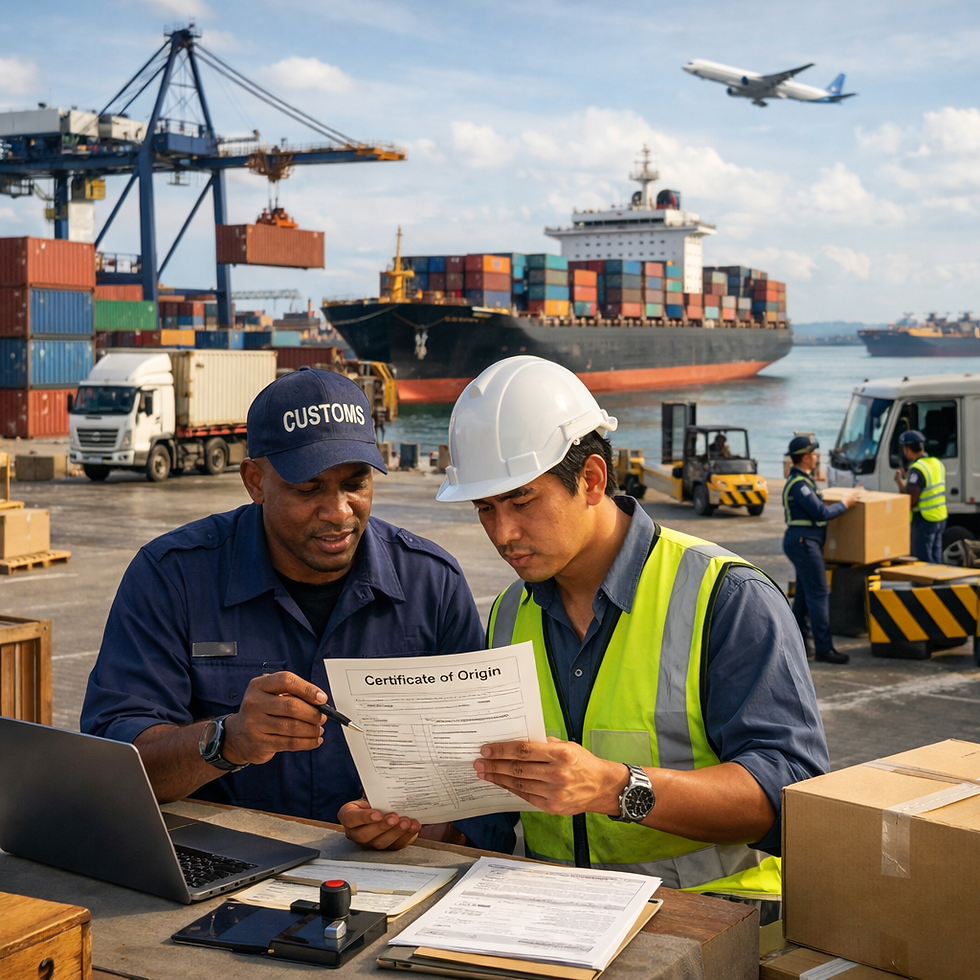
The export customs dossier typically includes several key items. First, and central to the digital age of trade, is the Electronic Export Customs Declaration (E-Form HQ/2015/XK). This is your official declaration to customs authorities about the goods you are exporting. Next, you'll need the bill of lading, which serves as a contract between the shipper and the carrier, detailing the type, quantity, and destination of the goods. A copy of your contract with the buyer is also required, providing evidence of the sale. The certificate of origin is crucial, especially for preferential trade agreements, as it verifies where your goods were produced. The commercial invoice details the transaction between you and the buyer, including the price and terms of sale. A packing list provides a detailed inventory of the contents of each package within your shipment. Finally, if applicable to your product, you’ll need a technical standard or health certificate. This is particularly relevant for products like food, pharmaceuticals, or certain industrial goods that must meet specific safety or quality benchmarks. Each of these documents plays a vital role in ensuring a smooth customs clearance process and compliance with international trade regulations.
To avoid delays at the port or border, it’s advisable to prepare these documents well in advance and ensure they are consistent with each other. Discrepancies between the commercial invoice and the packing list, for example, can trigger inspections and hold-ups. Utilizing platforms like TendersGo.com, with its AI summaries and PDF viewing capabilities, can help procurement officers and bid managers stay organized and access critical documentation guidelines efficiently, especially when dealing with bids from 220+ countries.
Practical Considerations and TendersGo.com
While the official procedures provide a clear framework, practical considerations often shape the real-world experience of exporting from Vietnam. One key takeaway is that for a trading company in Vietnam, no separate general import-export license is required if the business lines are registered correctly. This simplifies the process for many SMEs dealing in ordinary goods, allowing them to focus on market development rather than extensive licensing applications. However, this flexibility doesn't extend to products in regulated categories, which will always need special permits. This distinction is crucial and often where businesses, especially new entrants, can stumble if they don't do their homework.
Another practical aspect is the absence of a universal "export license fee" or a single, SME-specific export-permit form number for all goods. The process is inherently commodity-specific. This means that the costs and exact documentation will vary depending on what you're shipping. The official procedure page for each relevant item category is your controlling reference. This highlights the importance of precise product classification and diligent research into the specific regulations governing your goods.
For bid managers, export managers, and procurement officers, staying updated on these ever-evolving regulations can be a full-time job. This is where tools like TendersGo.com become indispensable. As the world's largest tender search engine, covering 220+ countries and 145 languages, it offers more than just tender listings. Its AI summaries, unlimited alerts, and PDF viewing features can help you quickly grasp the essence of complex regulatory documents and identify relevant export opportunities. The platform also includes CPV/NAICS codes, a B2B marketplace, and saved searches, allowing you to tailor your information intake to your specific needs. A free 30-day trial can give you a firsthand experience of how these features can streamline your international trade operations.
Looking Ahead: Staying Compliant and Competitive
The Vietnamese export landscape in 2026 is one of dynamic growth, balanced with a clear regulatory structure designed to manage specialized trade. For SMEs, success hinges on meticulous preparation, a clear understanding of commodity classifications, and leveraging digital tools to navigate the administrative processes efficiently. While Vietnam has made significant strides in streamlining its export procedures, particularly through digital platforms, the onus remains on exporters to ensure full compliance with specific product regulations. Staying informed about changes in trade policies and commodity-specific requirements will be key to maintaining a competitive edge and ensuring uninterrupted international trade flows.