
How to Bid on South Africa Government Tenders in 2026

South Africa’s public procurement landscape is dynamic, offering significant opportunities for businesses looking to engage with government entities. For bid managers, export managers, procurement officers, and project developers worldwide, understanding the intricacies of South African government tenders in 2026 is essential. This isn't just about finding opportunities; it's about navigating a system undergoing significant regulatory evolution, particularly with the new Public Procurement Act and its accompanying draft regulations.
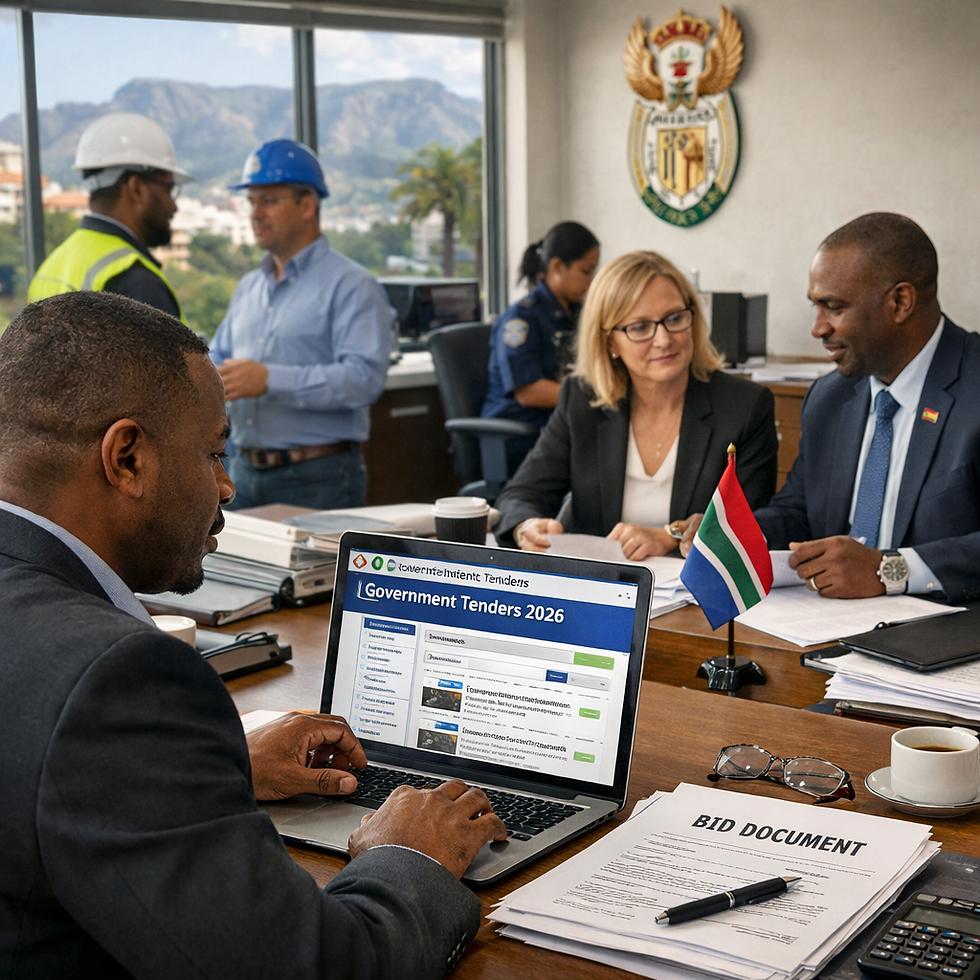
My journey through various procurement systems globally has taught me one universal truth: local knowledge is power. In South Africa, that power comes from understanding not just where to find tenders, but how to interpret the shifting policy sands and what specific requirements you’ll need to meet. The current year, 2026, sees a continued emphasis on transformation and local content, driven by legislative changes that aim to reshape the economic participation landscape.
Finding South Africa Government Tenders: Your Starting Points
The first step in bidding on South African government tenders is knowing where to look. Thankfully, the South African government has consolidated much of this information, making it more accessible than in some other regions I’ve covered. The primary official portal is the eTenders Portal, maintained by the National Treasury. This platform serves as a central repository for tender information across all spheres of government – national, provincial, and local. It’s where you’ll find the bulk of currently advertised tender opportunities.
When you visit the eTenders Portal, you’ll see listings categorized by sector, with clear descriptions, eSubmission options, advertised dates, and crucial closing dates. For example, a quick glance shows 2026 procurement-plan activity, such as the State Information Technology Agency’s procurement for Prisma software, maintenance, and licenses for three years, with advertised dates spanning June, July, and August 2026. This portal is your daily go-to for new opportunities. Beyond the eTenders Portal, the Government Printing Works publishes the official Tender Bulletin, a traditional but still relevant source for tender announcements. While the eTenders Portal is digital and often more current, the Tender Bulletin provides an additional layer of official publication, which can be useful for cross-referencing or for those who prefer official printed notices.
Navigating the eTenders Portal and Beyond
Once you're on the eTenders Portal, the interface is fairly intuitive. You can browse "currently advertised tender opportunities," which are organized into columns for easy scanning. This includes the category of the tender, a detailed description, whether eSubmission is available, the date it was advertised, and the all-important closing date. For instance, if you were looking at IT tenders, you’d quickly spot the State Information Technology Agency's need for Prisma software. These listings often link directly to the bid documents themselves, making the process of obtaining tender specifications straightforward.
While the eTenders Portal is the official hub, individual departments also list their specific procurement needs. The Department of Public Works, for example, has an active tenders page that details awarded bids for 2026, such as bid number H25/019AI for an East London Social Cluster Precinct service provider, awarded in June 2026, or bid number PLK25/08 for preventative maintenance of kitchen equipment in Polokwane, awarded in April 2026. Similarly, the Department of International Relations and Cooperation (DIRCO) lists its 2026–2027 tenders, including DIRCO 02 2026-2027 for event management services for upcoming SADC meetings in KwaZulu-Natal in August 2026. These departmental pages often provide more context and specific contact details for their tenders. This decentralization of information, even with a central portal, means a thorough search often involves checking both the main eTenders site and relevant departmental pages.
For a truly global perspective on opportunities, and to avoid missing out on South African tenders that might be aggregated elsewhere, consider using platforms like TendersGo.com . As the world's largest tender search engine, it covers 220+ countries and 145 languages, offering AI summaries, unlimited alerts, and PDF viewing. It’s a powerful tool for finding tenders, including those from South Africa, by CPV/NAICS codes and through saved searches, streamlining your tender discovery process considerably. While official portals are crucial, aggregators can provide a broader net and often alert you to opportunities you might otherwise miss.
Understanding South Africa’s Evolving Procurement Rules: The Public Procurement Act, 2024
This year, 2026, is particularly significant for South African procurement due to the ongoing implementation and refinement of the Public Procurement Act, 2024 (Act 28 of 2024). This legislation is a significant overhaul of the previous framework and aims to enhance efficiency, transparency, and, crucially, socio-economic transformation. For anyone looking to bid, understanding this Act and its accompanying regulations is not optional; it’s fundamental to compliance and success.
The National Treasury has been actively engaged in developing the draft General Public Procurement Regulations, 2026, under section 63(1) of this new Act. These draft regulations were published in Government Gazette No. 54528, and they’ve undergone a period of public comment. Initially, comments were due within 60 days of the notice, but the deadline was extended by 30 days to July 15, 2026, by the Minister of Finance, Enoch Godongwana, demonstrating the government's commitment to robust stakeholder engagement. This consultation process is vital, as it allows businesses and other interested parties to provide input on the practical implications of these new rules. Staying informed about the final versions of these regulations is paramount, as they will dictate the specifics of how tenders are evaluated and awarded.
Key Regulatory Changes and Their Impact on Bidders
The draft regulations introduce several critical provisions that will directly affect how businesses approach South African government tenders. One of the most talked-about aspects is the requirement for bidders to demonstrate a commitment to local economic development and empowerment. A procurement-policy report published in 2026 indicates that the draft regulations would require bidders to show that at least 40% of previous procurement spend was directed to enterprises that are majority black-owned and managed. This isn't just a suggestion; it's a proposed requirement that signals a strong push towards empowering historically disadvantaged groups within the South African economy.
Furthermore, the same 2026 report highlights another significant proposed change: bidders would be required to subcontract a minimum of 30% of the contract value to South African citizens. This measure aims to foster local job creation and skills transfer, ensuring that large government contracts contribute directly to the national workforce. While the full context of other potential thresholds, like a 15% figure seen in snippets of the draft regulations, awaits the final publication, these two examples alone illustrate the transformative nature of the new procurement framework. Businesses, especially international ones, will need to develop robust strategies to meet these subcontracting and empowerment criteria, potentially through partnerships with local, black-owned, and managed enterprises.
Preparing Your Bid: Documents and Compliance
Once you’ve identified a tender and understood the regulatory environment, the real work of preparing your bid begins. South African government tenders typically require a comprehensive set of documents, and meticulous attention to detail is non-negotiable. While specific requirements vary by tender, some documents are universally expected. These usually include company registration documents, tax compliance certificates, proof of good standing with relevant industry bodies, and detailed financial statements. For international bidders, these documents will often need to be legalized or apostilled, adding an extra layer of administrative work.
Beyond the standard company documentation, your technical and financial proposals are critical. The technical proposal must clearly demonstrate your capacity and experience to deliver the required goods or services, often including project plans, methodologies, and team résumés. The financial proposal needs to be competitive and adhere strictly to any stipulated pricing formats. Crucially, with the new draft regulations, you will also need to provide documentation proving your compliance with the proposed local content, subcontracting, and empowerment criteria. This might involve submitting partnership agreements, letters of intent with local subcontractors, or detailed expenditure reports demonstrating past commitments to black-owned enterprises. Missing any of these elements can lead to disqualification, regardless of the quality of your core offer.
Supplier Registration and Practical Submission Tips
Before you can even submit a bid, you’ll likely need to register as a supplier on the relevant government databases. The Central Supplier Database (CSD) is typically the starting point for most government entities in South Africa. This central database aims to simplify supplier registration and verification, reducing the administrative burden on both suppliers and government departments. Ensure your CSD registration is up-to-date and accurate, as any discrepancies can cause delays or issues during the tender evaluation process. This includes maintaining current tax compliance status and banking details.
When it comes to submitting your bid, pay close attention to the instructions provided in the tender document. While many tenders now offer eSubmission through platforms like the eTenders Portal, some may still require physical submissions. If eSubmission is available, familiarize yourself with the platform well in advance of the deadline. Technical glitches can happen, and waiting until the last minute is a common pitfall. Always check for any specific formatting requirements, file size limits, or naming conventions for electronic documents. For physical submissions, ensure your bid is correctly packaged, sealed, and delivered to the specified address before the closing time. I’ve seen countless excellent bids rejected simply because they arrived minutes late or were delivered to the wrong office. The Department of Public Works, for instance, explicitly notes how bid documents can be accessed through www.etenders.gov.za, which implies that many submissions will follow an electronic route.
Utilizing tools like TendersGo.com can also help you stay organized. With its PDF viewing capabilities and options for saved searches, you can easily manage the numerous documents and specifications required for South African tenders. The platform's B2B marketplace can also be valuable for identifying potential local partners or subcontractors to meet the new regulatory requirements, connecting you with businesses that align with the empowerment objectives.
Post-Submission: What Happens Next?
Once your bid is submitted, the waiting game begins. The evaluation process for South African government tenders can be rigorous and, at times, lengthy. It typically involves several stages: an initial compliance check to ensure all required documents are present and correctly filled; a technical evaluation to assess the quality and feasibility of your proposed solution; and a financial evaluation to determine cost-effectiveness. With the new Public Procurement Act, a significant part of this evaluation will also focus on your compliance with socio-economic objectives, such as local content, subcontracting, and empowerment criteria.
Transparency in the procurement process is a stated goal, and you can often find information on awarded bids on departmental websites. For example, the Department of Public Works prominently displays its 2026 awarded-bid records, including details like the contractor and the award date. This public record provides valuable insight into who is winning contracts and for what types of services. While you might not receive real-time updates on your specific bid's progress, these public records serve as an indicator of the overall procurement activity and can help you gauge the competition and identify potential partners for future bids. Remember, even if your bid isn’t successful, analyzing the reasons for non-award (if provided) can be a powerful learning experience for future opportunities.
The South African government’s commitment to transforming its procurement landscape means that bidders must be agile and informed. The 2026 regulations, once finalized, will set a clear path for engagement, but the underlying principles of local empowerment and development will continue to shape how contracts are awarded. Staying informed, meticulous in your bid preparation, and strategic in your partnerships will be key to unlocking the significant opportunities available in this evolving market.


