
How to Bid on Japan Government Tenders in 2026

Japan’s government procurement market, valued in the hundreds of billions of dollars annually, presents a significant opportunity for international suppliers. For those looking to expand their global footprint, understanding the nuances of bidding on Japan government tenders in 2026 is essential. This isn't just about finding opportunities; it's about navigating a structured system with specific protocols, from initial qualification to final contract award.
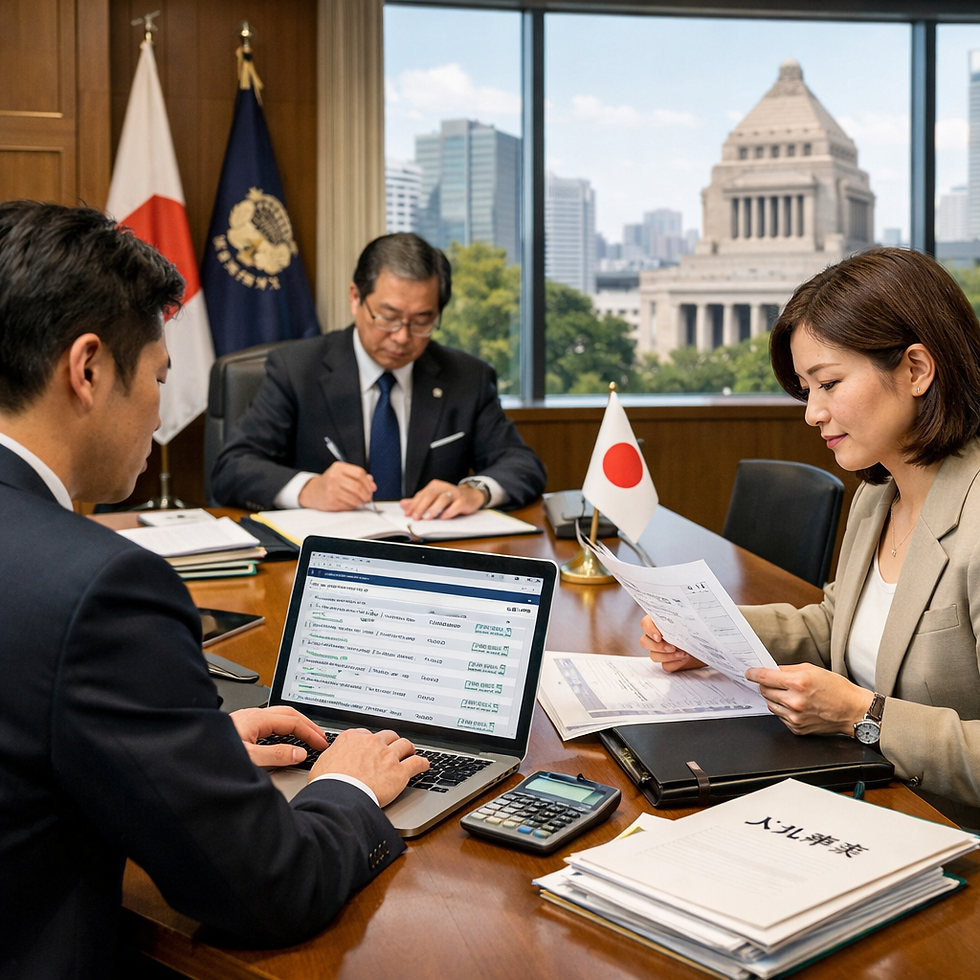
Having spent years observing procurement landscapes across Asia, I can tell you that Japan's approach, while meticulous, offers a clear pathway for diligent bidders. The Japanese government, through its various agencies, is actively seeking innovative solutions and high-quality services, opening doors for foreign suppliers who are prepared to meet their stringent requirements. Let's delve into how you can position your company to win contracts in this dynamic market.
Understanding Japan's Procurement Landscape and Key Portals
The foundation of participating in Japan's public sector procurement lies in knowing where to look and what mechanisms are in place. The central government's procurement notices are officially published in the Kanpo, Japan's equivalent of an official gazette. However, for international suppliers, navigating Kanpo directly can be a linguistic and logistical challenge. This is where organizations like JETRO (Japan External Trade Organization) become invaluable.
JETRO’s procurement database serves as a centralized hub, indexing these notices and making them accessible. Crucially, JETRO commits to publishing procurement information after 3 p.m. on the same day it appears in Kanpo, or no later than the end of the next business day. This commitment ensures that foreign suppliers have timely access to opportunities. For national government and independent administrative agencies, these notices are searchable for the past five fiscal years, providing a substantial archive for market research. Local government notices, specifically those under Japan’s GPA coverage, follow a slightly different schedule, appearing after 12 p.m. on the next business day.
The official procurement portal you'll be frequenting is the JETRO Japanese Government Procurement database, found at https://www.jetro.go.jp/en/database/procurement/ . This portal allows you to search notices by publishing date and due date, making it a critical tool for staying updated. Beyond JETRO, the Digital Agency also plays a role in streamlining the process, advocating for the use of the Unified Qualification Application and Procurement Information Retrieval Site for initial supplier qualification, and then directing users to the procurement portal for active notices.
The Digital Shift: Electronic Bidding and GEPS
Japan, like many advanced economies, has embraced electronic procurement. The Electronic Procurement System (GEPS) is a common platform across all ministries and agencies, facilitating electronic bidding and contract management. This system underscores the importance of digital readiness for any company looking to bid. While traditional methods like hand-carried or mailed tenders are still accepted for some opportunities, as seen in the Ministry of Internal Affairs and Communications (MIC) notice for March 2026, the trend is undeniably towards electronic submissions.
For bid managers, this means ensuring your company’s IT infrastructure is compatible and your team is proficient in using such platforms. Electronic submission often requires digital certificates and adherence to specific file formats, so early preparation is key. The Digital Agency's commitment to platforms like the Digital Marketplace Catalog Site, with a participation application deadline extending into February 2027, further illustrates the ongoing digitization of Japan's procurement processes.
Navigating WTO/GPA Tendering Procedures
Japan is a signatory to the World Trade Organization’s Government Procurement Agreement (WTO/GPA), which establishes international rules for government procurement, promoting transparency, fairness, and non-discrimination. This agreement significantly benefits foreign suppliers by ensuring they receive fair treatment comparable to domestic firms. Understanding the three primary tendering procedures under the WTO/GPA is crucial:
Open Tendering: This is the most common method, where the procuring entity publishes an invitation for bids in advance. The contract is typically awarded to the highest bidder that meets all tender requirements. For open and selective tendering, invitations are published in Kanpo at least 50 days before the bid closing date, exceeding the GPA minimum of 40 days. This extended period provides ample time for interested parties to prepare their submissions.
Selective Tendering: Used when the number of potential suppliers is limited or open tendering is deemed inappropriate. In this scenario, the procuring entity invites only designated suppliers from a pre-qualified list. This highlights the importance of supplier qualification, which we'll discuss shortly.
Limited or Single Tendering: As the name suggests, this method involves direct negotiation with a single supplier or a very limited number of suppliers. While less common for larger projects due to GPA rules promoting competition, it is used in specific circumstances, such as for urgent procurements or highly specialized goods/services where only one supplier can meet the requirements.
Knowing which procedure applies to a given tender helps in strategizing your approach. Open tenders offer the broadest access, while selective tenders necessitate prior qualification and relationship building with procuring agencies.
Supplier Qualification and Eligibility Criteria
Before you can even think about submitting a bid, you must qualify as a supplier. This is a non-negotiable step in Japan's procurement system. The Digital Agency explicitly states that suppliers should first obtain "unified bidding eligibility" used across ministries and agencies via the Unified Qualification Application and Procurement Information Retrieval Site. This unified qualification simplifies the process, allowing a single approval to apply across various government bodies.
Beyond this initial step, individual procuring agencies may require additional qualification. Trade.gov emphasizes that potential suppliers must be qualified by the specific procuring agency and registered on that agency’s permanent list of qualified suppliers before bidding. This often involves submitting documentation detailing your company's financial stability, technical capabilities, past performance, and compliance with Japanese laws and regulations.
A concrete example of these requirements can be seen in the January 26, 2026, MIC notice for a tender in Tokyo. It stipulated that bidders must have Grade A or B "offer of services etc" in the Kanto-Koshinetsu district under the single qualification system for every ministry and agency. Furthermore, it cited exclusion criteria under Article 70 and Article 71 of the Cabinet Order concerning the Budget, Auditing and Accounting – specific legal provisions that outline conditions for disqualification, such as past fraudulent activities or conflicts of interest. These details underscore the need for thorough due diligence and compliance.
The qualification process can be time-consuming, so it’s advisable to initiate it well in advance of identifying specific tenders. Think of it as building your credentials in the Japanese market – a prerequisite for serious engagement.
The Bidding Process: From Documents to Submission
Once qualified and with a tender identified, the real work of preparing your bid begins. The Digital Agency's procurement portal is where you'll find tender notices and associated procurement documents. These often include a wealth of information: detailed specifications, project schedules, bidding conditions, and guidelines for technical proposals. My experience tells me that every word in these documents matters; Japanese procurement entities are known for their precision and expect bids to adhere strictly to all stipulated requirements.
Key documents you’ll likely encounter and need to prepare include:
Technical Proposals: These outline your proposed solution, methodology, and how you plan to meet the project's technical specifications. They are often evaluated separately from the financial bid and carry significant weight.
Certificates and Licenses: Proof of your company's legal registration, relevant industry licenses, quality certifications (e.g., ISO), and any other credentials demonstrating your capability and compliance.
Financial Proposals: Your detailed pricing, often broken down by components, along with any payment terms. While the contract is normally awarded to the lowest qualified bid, "qualified" is the operative word here, meaning your technical proposal must first pass muster.
Bid Bonds/Guarantees: Some tenders may require a bid bond to ensure the seriousness of your offer.
The MIC notice with a deadline of 5:00 PM on March 19, 2026, highlights the strict adherence to deadlines. Whether submitting electronically, hand-carrying, or mailing, missing the closing date and time specified in the tender notice will result in immediate disqualification. There's no leeway here, so meticulous planning and buffer time are essential. For those utilizing TendersGo.com , our unlimited alerts and PDF viewing features can help you stay on top of these critical dates, even for tenders in 145 languages.
Post-Submission and Contract Award
After submitting your bid, the waiting game begins. Japanese procurement entities conduct thorough evaluations, often involving multiple stages. Technical proposals are typically assessed first, ensuring that all bidders meet the minimum technical requirements. Only those that pass this stage will have their financial bids considered.
The contract is normally awarded to the lowest qualified bid. However, this isn't simply about being the cheapest. It's about being the most cost-effective solution among those that fully satisfy all technical and administrative criteria. This emphasis on qualification means that investing in a strong technical proposal and demonstrating clear compliance is as important, if not more so, than aggressive pricing.
Should you have questions during the bidding process or after submission, JETRO advises directing detailed inquiries to the specific government ministry or agency that issued the notice. This direct line of communication is critical for clarification and demonstrates your proactive engagement. Remember, professional and respectful communication is highly valued in Japanese business culture.
For companies seeking a competitive edge, platforms like TendersGo.com can be transformative. With access to the world's largest tender search engine, covering 220+ countries, including Japan, and features like AI summaries, CPV/NAICS codes, and saved searches, you can identify opportunities more efficiently. Our B2B marketplace also connects you with potential partners, which can be particularly useful when navigating complex local requirements or forming consortia for larger projects. A free 30-day trial gives you a firsthand look at how these tools can streamline your procurement strategy.
Key Considerations for Foreign Suppliers
Bidding in Japan requires more than just meeting the technical specifications; it demands an understanding of local business practices and cultural nuances. Here are a few additional considerations for foreign suppliers:
Language: While JETRO provides English information, official tender documents are almost always in Japanese. Be prepared to invest in high-quality translation services for all critical documents. Misinterpretations can lead to disqualification.
Local Representation: For many, having a local partner or establishing a local presence can significantly ease the bidding process. This partner can assist with legal compliance, communication, and navigating local administrative procedures.
Relationship Building: While procurement is formal, building long-term relationships and demonstrating a commitment to the Japanese market can be beneficial. Japanese businesses often value trust and continuity.
Patience and Persistence: The procurement process in Japan can be thorough and sometimes lengthy. Patience and persistence are virtues that will serve you well.
Compliance: Beyond the specific tender requirements, ensure your company fully complies with all Japanese legal and regulatory frameworks, including labor laws, environmental regulations, and data privacy rules.
The Japanese government procurement market offers substantial opportunities for international suppliers willing to invest the time and effort to understand its structured environment. By diligently following the qualification steps, meticulously preparing your bids, and leveraging resources like TendersGo , your company can successfully compete for and secure valuable government contracts in 2026 and beyond.





