
UK Customs Valuation Methods for Importers in 2026

The intricate world of international trade demands precision, especially when it comes to customs valuation. For businesses importing into the United Kingdom, understanding the nuances of UK customs valuation methods in 2026 is not just good practice; it’s essential for compliance and cost management. As a journalist who has spent over a decade navigating these complex regulations across various borders, I’ve seen firsthand how a firm grasp of these rules can make or break an import operation. The UK’s approach, while rooted in international standards, has specific applications that every bid manager, export manager, and procurement officer needs to internalize.
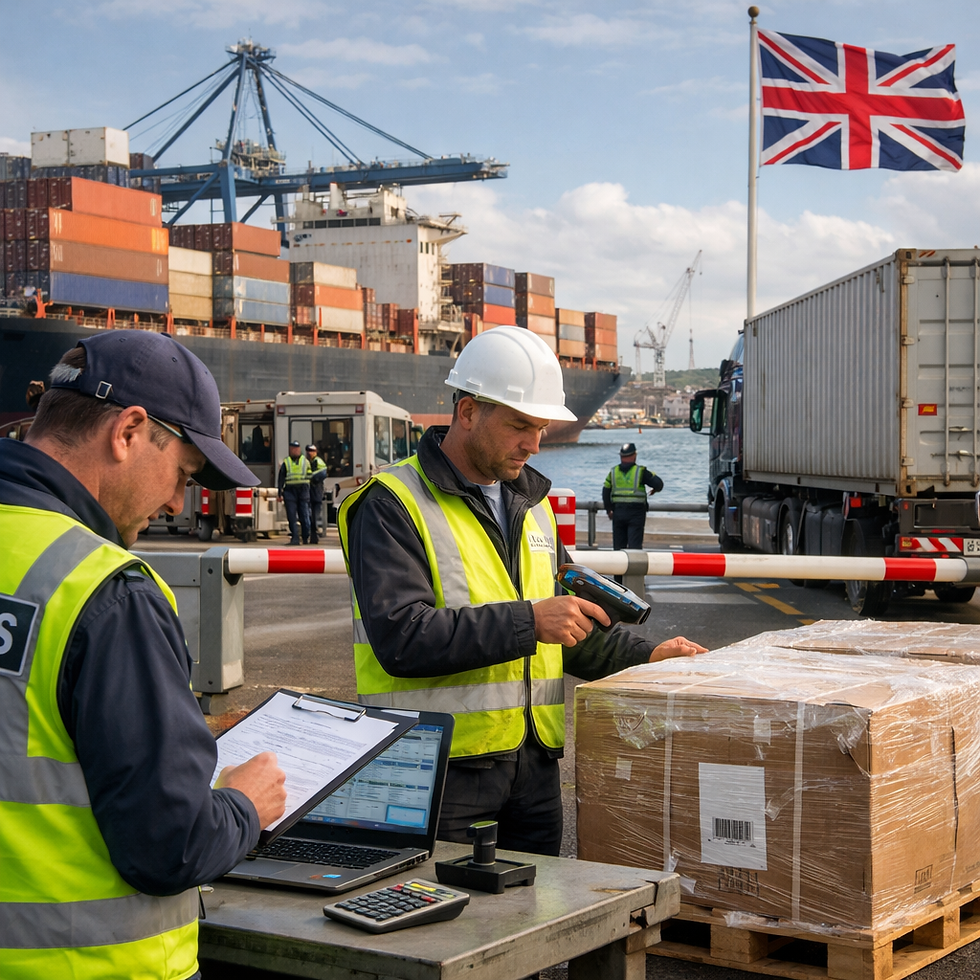
HMRC, through its GOV.UK portal, has been diligently updating its guidance. The latest revisions, published between September 21 and October 2, 2026, underline the ongoing commitment to clarity for importers. These updates are particularly relevant as we consider the legal landscape shaped by new regulations coming into force. Getting this right means accurately determining the customs value for both Customs Duty and import VAT, directly impacting your bottom line and avoiding potential penalties.
The Foundation: Understanding the UK's 6 Valuation Methods
At its core, UK customs valuation operates on a hierarchy of six distinct methods. This structured approach ensures that a fair and consistent value can be assigned to imported goods, regardless of their origin or the specifics of their transaction. HMRC is quite clear: you must attempt to apply these methods in a specific order, moving to the next only if the preceding one is unsuitable. This isn't merely a suggestion; it's a fundamental principle of UK customs law.
The primary legislative bedrock for this system is the transaction value, as defined in TCTA s16. This statutory reference reinforces the importance of the actual price paid or payable as the starting point for valuation. It's a system designed to be logical and, wherever possible, to reflect the commercial reality of the transaction. For anyone dealing with international procurement, knowing this sequential application is paramount.
Method 1: The Transaction Value – Your First Port of Call
Method 1, the transaction value method, stands as the cornerstone of UK customs valuation. HMRC reports that this method is successfully applied to over 90% of imports subject to ad valorem Customs Duty. This isn't surprising, as it's designed to be the most direct and, arguably, the most equitable approach. It dictates that the customs value is derived from the price actually paid or payable for the goods when sold for export to the UK. Crucially, this refers to the last sale immediately preceding the goods' entry into the UK.
But it's not simply the invoice price. Method 1 requires careful consideration of adjustments. One significant adjustment, as highlighted in Regulation 111 CIDEER, involves transport costs. These costs, encompassing loading and handling up to the point of introduction into the UK customs territory, must be included in the customs valuation. This particular aspect received further clarification with published amendments on April 14, 2026, specifically under the "Transport costs included in the total freight charge" section of the Method 1 guidance. This update, coinciding with The Customs (Tariff and Miscellaneous Amendments) (No. 4) Regulations 2026 coming into force on July 1, 2026, underscores the dynamic nature of these rules. Importers must stay alert to these changes.
For a detailed breakdown and to ensure you're applying Method 1 correctly, HMRC provides comprehensive guidance. I'd strongly recommend regularly checking GOV.UK's page on valuing imported goods using Method 1 . This isn't just about reading; it's about understanding the specific scenarios and ensuring your documentation aligns with their requirements. Accurate record-keeping, right down to freight invoices and terms of sale, becomes indispensable here.
When Method 1 Isn't Applicable: Exploring Alternatives
While Method 1 is the preferred route, there are instances where it simply cannot be used. This is where the hierarchy of the remaining five methods comes into play. Importers are legally obliged to systematically try each subsequent method until a suitable one is found. Skipping steps is not an option and can lead to compliance issues.
Method 2: Identical Goods. This method looks at the transaction value of identical goods imported into the UK around the same time as your consignment. Think of it as finding a parallel, recent transaction to base your valuation on.
Method 3: Similar Goods. If identical goods aren't available for comparison, Method 3 allows for the use of the transaction value of similar goods. The key here is "similar" – goods that perform the same function, are commercially interchangeable, and have similar characteristics.
Method 4: Deductive Method. This method shifts the focus to the selling price within the UK. It involves taking the selling price of the imported goods (or identical/similar goods) in the UK and deducting certain costs, such as commissions, profits, general expenses, and transport costs incurred after importation.
Method 5: Computed Method. Less commonly used for standard commercial imports, Method 5 is based on the costs of production of the imported goods. This includes the cost of materials, fabrication, and any other processing. It often requires detailed insight into the manufacturer's costs, which can be challenging to obtain.
Each of these methods has specific conditions and requirements. The challenge for bid managers and procurement teams is often in gathering the necessary data to support the chosen method, especially when moving beyond Method 1. This is where a robust supply chain information system, capable of tracking costs and product specifications, becomes invaluable.
Special Cases: Free-of-Charge and Second-Hand Goods
Not all imports fit neatly into the standard commercial transaction model. Two common scenarios that often cause confusion are goods imported free of charge and second-hand goods. HMRC provides clear guidance on how to handle these, reinforcing the sequential application of the six valuation methods.
Valuing Free-of-Charge Goods
When goods are imported free of charge, Method 1 is typically unsuitable because there is no "price actually paid or payable." In these situations, HMRC directs importers to first attempt Method 2 (identical goods) or Method 3 (similar goods). If those are not viable, the next step would be Method 4 (deductive method) or Method 5 (computed method). Often, for free-of-charge items, Method 6 becomes the most appropriate solution.
Method 6, often referred to as the "fall-back" method, is used when none of the preceding five methods can be applied. For free-of-charge goods, it allows the value to be based on the price that would have been paid if the goods had been purchased. This requires a hypothetical assessment, which can be complex, often necessitating expert advice or detailed market research to establish a credible "notional" purchase price.
Customs Valuation for Second-Hand Goods
The valuation of second-hand goods follows the same hierarchical principle. Importers must apply Methods 1 through 5 in order. If none of these methods can establish a customs value, then Method 6 is to be employed. This means that even for a used piece of machinery, if there was a verifiable transaction price for its export to the UK, Method 1 would be the starting point. The challenge often lies in establishing a true transaction value for unique or significantly depreciated second-hand items, pushing importers towards the later methods.
For both free-of-charge and second-hand goods, the documentation supporting your chosen valuation method is critical. HMRC will scrutinize these declarations, and any discrepancies can lead to delays or additional duties. This is where a service like TendersGo can assist, providing access to market data and procurement insights that might help in establishing comparable values, especially in less straightforward scenarios. With its coverage of 220+ countries and 145 languages, it offers a broad perspective on global market pricing.
The Link to Import VAT: A Crucial Connection
Understanding customs valuation extends beyond just Customs Duty; it directly impacts import VAT. The value for import VAT is intrinsically linked to the customs value determined under these rules. Specifically, the import VAT value is the customs value, plus any incidental expenses (like commissions, packing, transport, and insurance) that occur up to the first place of destination in the UK, and any Customs Duty or other levies payable on importation, if these haven't already been included in the customs value.
This connection means that an error in customs valuation can ripple through to your VAT calculations, potentially leading to underpayment or overpayment of tax. For businesses managing their cash flow and tax liabilities, getting this right from the outset is paramount. It’s not just about duty; it’s about the total cost of import and your overall tax compliance strategy. Procurement professionals need to work closely with finance departments to ensure these calculations are accurate and transparent.
Navigating the Official Channels: Where to Find Up-to-Date Information
Staying current with UK customs valuation rules requires diligent monitoring of official sources. HMRC provides a wealth of information on the GOV.UK website, which is regularly updated. As of late 2026, the guidance has been refined, with specific amendments coming into force, making it more important than ever to consult the latest publications.
Key GOV.UK pages for importers include:
The main Customs valuation guidance page, which acts as a central hub.
The Customs valuation updates page, detailing recent changes and amendments.
Guidance on preparing to work out the customs value of your imported goods, offering practical steps.
Specific guidance for valuing imported goods using Method 1 – transaction value.
The broader collection of resources on working out the customs value of your imported goods.
These resources are your primary source of truth. Relying on outdated information or unofficial interpretations can lead to costly mistakes. I've often seen companies fall foul of regulations simply because they were referencing old guidance. Set up alerts, bookmark these pages, and make it a routine to check for updates, especially with significant legislative changes like The Customs (Tariff and Miscellaneous Amendments) (No. 4) Regulations 2026 coming into effect.
For those looking to streamline their procurement processes and ensure compliance across various jurisdictions, tools like TendersGo offer significant advantages. Its AI summaries and unlimited alerts can keep you informed of regulatory changes, while its comprehensive search capabilities, leveraging CPV/NAICS codes, can help you find relevant information or even identify new suppliers. The ability to view PDFs and save searches further enhances its utility for busy procurement teams.
Best Practices for Importers in 2026
Successfully navigating UK customs valuation in 2026 demands more than just a passing familiarity with the rules; it requires a proactive and systematic approach. Here are some best practices that I’ve observed to be consistently effective:
Maintain Meticulous Records: Every aspect of your import transaction, from purchase orders and invoices to transport contracts and insurance policies, should be scrupulously documented. These records are your primary defense in case of an HMRC audit or query regarding your declared customs value.
Understand Incoterms: Your chosen Incoterm directly influences what costs are included in the 'price actually paid or payable' and where the responsibility for transport and insurance lies. A clear understanding of Incoterms is fundamental to accurately applying Method 1 and calculating transport cost adjustments.
Regularly Review Valuation Procedures: Market conditions, supplier relationships, and even your internal processes can change. Periodically review how your company determines customs value to ensure it remains compliant and optimal. This is particularly important with the 2026 updates in mind.
Invest in Training: Ensure your procurement, logistics, and finance teams are adequately trained on the latest UK customs valuation rules. Misunderstandings at any stage can lead to incorrect declarations.
Seek Expert Advice When in Doubt: If you're dealing with complex scenarios – such as unique goods, related party transactions, or intricate pricing structures – don't hesitate to consult with customs brokers or legal experts specializing in international trade. The cost of professional advice is often far less than the penalties for non-compliance.
Leverage Technology: Modern procurement platforms and tender search engines, such as TendersGo, can be invaluable. Its B2B marketplace might help in benchmarking prices, while its extensive database, covering 220+ countries and 145 languages, can offer insights into global pricing trends that support your valuation decisions. A free 30-day trial allows you to explore these capabilities without commitment.
The landscape of international trade is perpetually shifting, and customs valuation is a critical component of that dynamic environment. By adhering to these best practices and staying informed through official channels and specialized platforms like TendersGo, importers can confidently meet their obligations and ensure smooth, compliant operations in the UK. The journey from supplier to UK consumer is paved with regulations, and a well-informed approach to customs valuation is your clearest path forward.





